Simple, Cheap Charging Stands That Hold Your Phone Securely
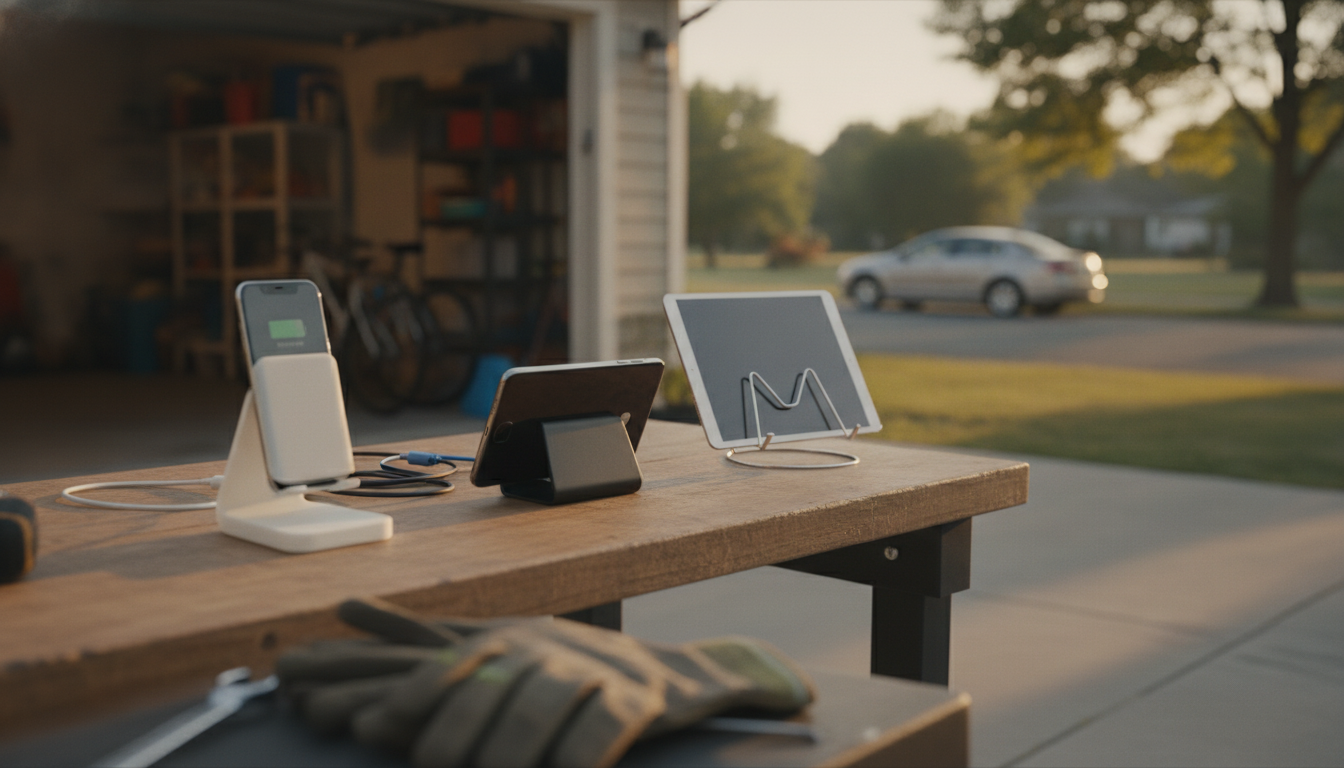
Best charging stand? Something simple and cheap and reliably holds …
A “best” charging stand in this case is the one that stays put, holds the device at a useful angle, and doesn’t turn charging into a daily balancing act. If the goal is simple, inexpensive, and reliably supportive, prioritize stability over extras: a weighted base, a grippy bottom pad, and a cradle or lip that physically stops the phone from sliding forward.
What to look for in a simple, cheap charging stand
Stable base that doesn’t scoot
Look for a heavier base and rubber or silicone feet. Lightweight plastic stands can work, but only if the underside has enough traction to resist one-handed docking and undocking.
A real “stop” for the device
A small front ledge (or a deeper cradle) matters more than fancy design. It keeps the phone from slipping, especially if you use the stand on a smooth nightstand or desk.
Angle that works for quick glances
A gentle tilt is ideal for notifications and Face ID/biometric unlocks. Fixed-angle stands are usually cheaper and often sturdier than fully adjustable hinges.
Case-friendly clearance
If you keep a case on, confirm the cradle isn’t too narrow and that the charging cutout leaves room for thicker cables. A stand that forces you to remove the case isn’t “simple” in day-to-day use.
Wired vs. wireless: which is the simplest?
Wired stands tend to be cheaper and more dependable because there’s no coil alignment to fuss with—just drop the phone in and plug in. Wireless stands are convenient if your phone supports it, but the “reliably holds and charges” part depends on coil placement, case thickness, and whether the stand has enough grip to prevent slow sliding out of alignment.
Where to find a short list that fits the brief
If you want a curated set of budget-friendly options that focus on everyday stability (not flashy add-ons), use this roundup: Best charging stand: something simple and cheap and reliably holds.
FAQ
What features keep a phone from slipping off a charging stand?
A front lip, a grippy cradle surface (silicone/rubber), and a weighted base do the most work. Those three features prevent sliding and tipping when you tap the screen or connect a cable.









Leave a comment