Adidas Women’s Black Winter Boots: Warmth & Grip Guide
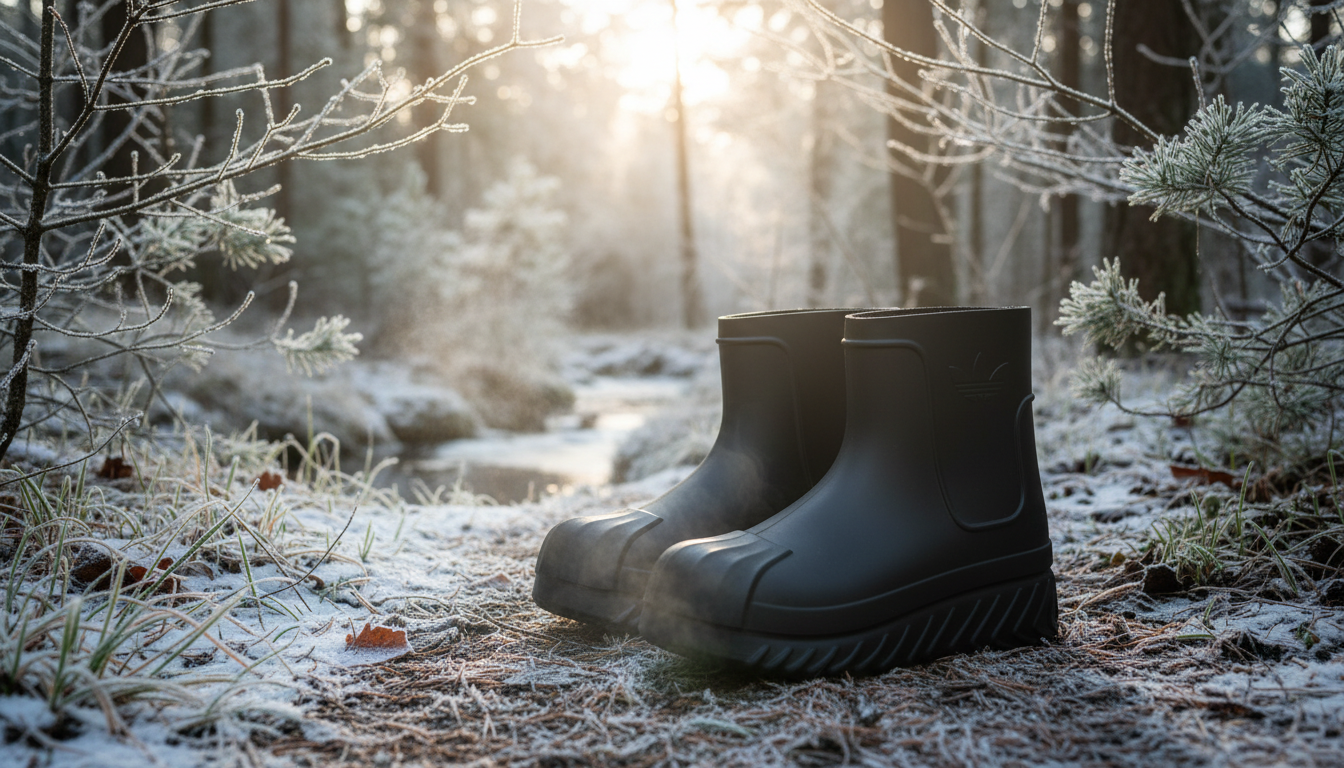
Adidas Women’s Black Fall/Winter Boots: Warm, Grippy, Everyday-Ready
Cold-weather days call for boots that can keep up with slick sidewalks, surprise drizzle, and long hours spent walking, commuting, or running errands. The best women’s fall/winter boots balance warmth, traction, and comfort—without feeling clunky or hard to style. Below is a practical checklist for choosing a pair you’ll actually wear on repeat, plus a spotlight on a clean black option that slides easily into a daily rotation.
What Makes a Great Fall/Winter Boot
A good cold-season boot doesn’t need to be a heavy-duty snow monster to be useful. For many climates, the “sweet spot” is a boot that handles chilly temps and wet pavement while staying comfortable enough for everyday wear.
- Warmth without bulk: Look for insulation or a cozy lining that holds heat while still allowing a comfortable fit with thicker socks.
- Weather resistance: Uppers and construction should shed light rain and slush, and the tongue/collar area should help reduce water entry.
- Traction for cold surfaces: Outsole patterns and rubber compounds matter—tread that can bite into damp pavement and light snow is key.
- All-day comfort: A supportive footbed, stable midsole, and enough toe room help circulation (and warmth) in colder temperatures.
- Easy on/off: Pull tabs, zippers, or lacing that adjusts quickly is a real advantage when you’re wearing gloves or rushing out the door.
For general footwear comfort and fit guidance, the American Podiatric Medical Association (APMA) has useful shoe-selection tips that align with what many shoppers notice immediately: pressure points, unstable heels, and cramped toe boxes rarely “fix themselves” later.
Spotlight Pick: Adidas Women’s Black Fall/Winter Boots
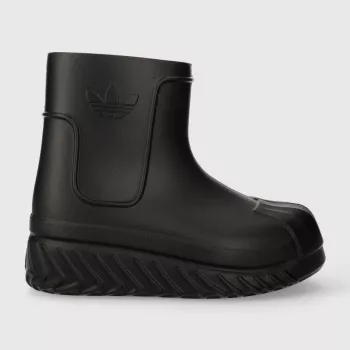
If you want an uncomplicated black pair that can cover commuting, errands, and casual weekend plans, Adidas Women’s Black Fall/Winter Boots are a straightforward option to consider. The clean, versatile look pairs easily with jeans, leggings, and winter-ready joggers, and the price point makes it a practical grab for a seasonal rotation.
They’re best suited to typical fall and winter conditions—chilly temperatures, wet sidewalks, and occasional light snow. If you regularly deal with severe ice, deep snow, or long stretches outside, you may want a more specialized winter boot (or add traction accessories on the iciest days).
Quick facts
| Detail | Value |
|---|---|
| Product | Adidas Women’s Black Fall/Winter Boots |
| Price | 37.02 USD |
| Availability | In stock |
| Color | Black |
| Product page | View details |
Fit and Comfort Checks Before Buying
Comfort is the difference between boots you reach for daily and boots that sit in the closet until “perfect weather” shows up. These simple checks help avoid common cold-season issues like rubbing, heel slip, or cold toes.
- Sock strategy: Try sizing with the socks you’ll actually wear in winter (medium or thick), not thin summer socks.
- Toe room: Aim for about a thumb’s width in front of your toes. This reduces friction and helps keep warmth by avoiding restricted circulation.
- Heel security: Your heel should feel stable with minimal lift when walking. Lacing should “lock” the midfoot down without crushing the forefoot.
- Arch and underfoot feel: Confirm the footbed supports your arch without hot spots. If you typically add insoles, plan for that extra volume.
- Break-in expectations: Boots should feel comfortable right away. A little softening is normal, but pain isn’t a reasonable “break-in” requirement.
Traction, Outsole Grip, and Stability
Winter traction isn’t just about deep tread—it’s also about how the rubber contacts the ground and how stable the boot feels when you step off a curb or hit a patch of wet leaves.
- Tread pattern: Deeper, multi-directional lugs generally handle wet leaves and slush better than shallow, flat soles.
- Rubber contact: More rubber touching the ground often improves grip on damp pavement.
- Stability cues: A wider base and a not-too-tall heel reduce wobble on uneven sidewalks.
- When conditions get icy: Removable traction cleats can help on extreme days; no everyday boot is perfect on glare ice.
Conditions and what to prioritize
| Condition | Priority feature | Practical tip |
|---|---|---|
| Wet pavement | Rubber grip + siped tread | Slow down on painted crosswalk lines |
| Slush | Deeper lugs + higher collar | Rinse soles after wear to prevent salt buildup |
| Light snow | Traction + warm lining | Wear moisture-wicking socks to stay dry |
| Cold, dry days | Cushioning + wind protection | Loosen laces slightly for circulation |
For broader winter safety reminders (like watching for black ice and planning for sudden weather changes), the CDC winter weather safety page is a solid reference.
Warmth, Materials, and Seasonal Care
Styling: From City Streets to Weekend Errands
More In-Stock Picks (Small Upgrades for Daily Wear)
- Soft Silicone Band for Apple Watch (easy-clean, gym-to-errands friendly)
- Premium Leather Strap for Apple Watch (a dressier swap for office-casual looks)
Where to Buy and What to Confirm at Checkout
FAQ
Are these boots warm enough for winter?
Warmth depends on temperature, wind, and how long you’re outside. For typical winter days, pairing boots with medium-to-thick socks helps a lot, while extreme cold or long outdoor exposure may call for heavier insulated winter boots.
How should fall/winter boots fit with thicker socks?
Try them on with the socks you plan to wear, keep a thumb’s width of toe room, and make sure the heel feels secure with minimal lift. Avoid tightness across the forefoot—boots that fit too snugly often feel colder because circulation is restricted.
How do you keep black boots looking clean through slush and salt?
Wipe them down after each wear, clean salt marks gently as soon as you notice them, and let them air-dry away from direct heat. Reapplying a suitable water-repellent protectant periodically also helps them stay easier to clean throughout the season.










Leave a comment